Precious Gemstones: Complete Guide to the World’s Most Valuable Gemstones
For centuries, precious gemstones have captivated collectors, royalty, investors, and jewelry lovers with their extraordinary beauty, rarity, and lasting value. From the brilliant sparkle of a Diamond to the rich green glow of an Emerald, these remarkable natural treasures represent the highest tier of gemstones found on Earth. Today, precious gemstone jewelry remains one of the most sought-after luxury investments, combining timeless elegance with long-term desirability.
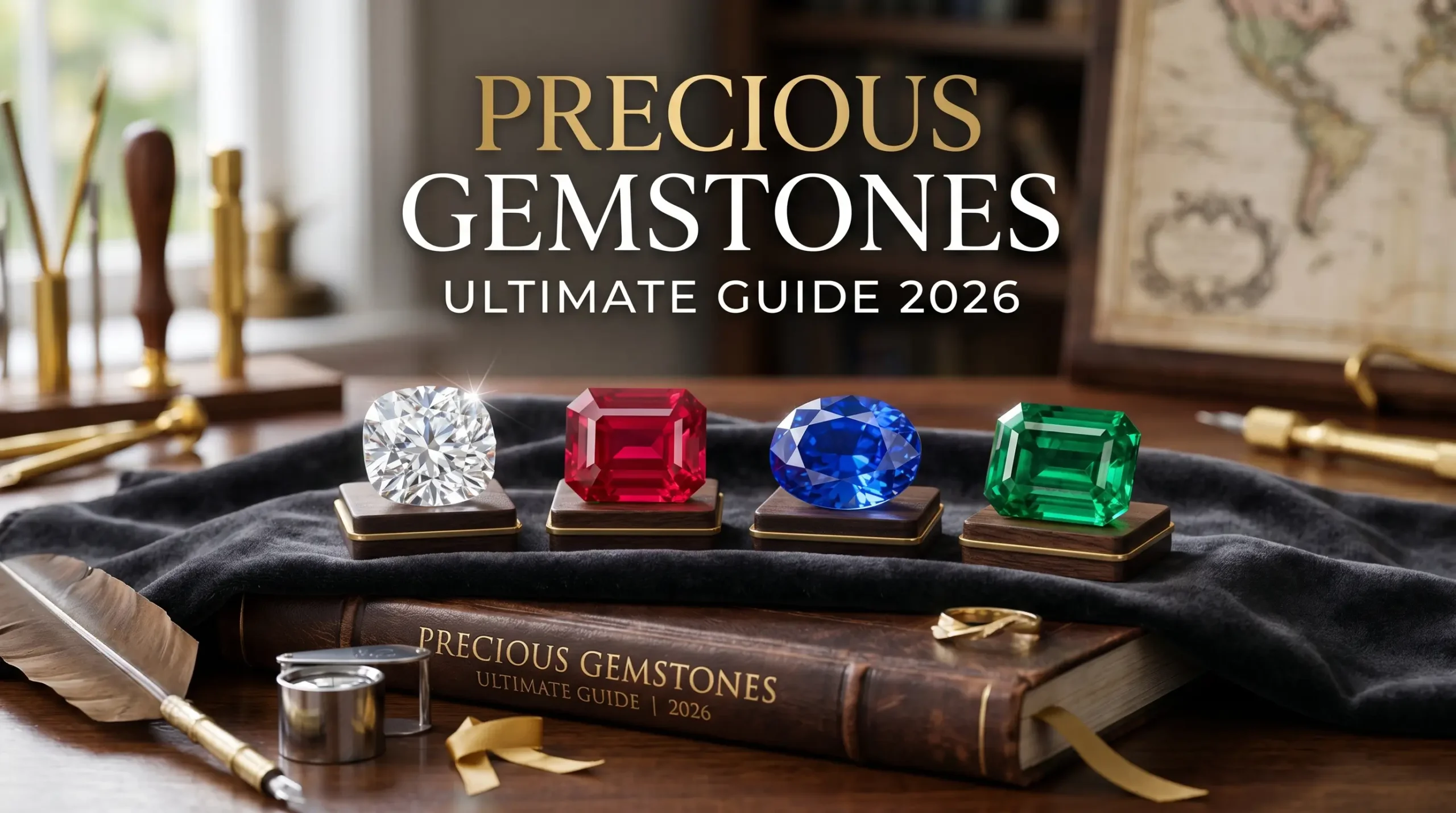
Traditionally, only four gemstones earn the prestigious title of precious stones: Diamond, Ruby, Sapphire, and Emerald. These gems stand apart because of their exceptional rarity, durability, historical significance, and worldwide demand. Whether you’re searching for the best precious gemstones for jewelry, comparing precious vs semi-precious gemstones, learning how gemstone values are determined, or exploring the latest precious gemstone prices, understanding these extraordinary stones is essential before making a purchase.
In this expert guide, you’ll discover everything you need to know about valuable gemstones, including their characteristics, origins, investment potential, pricing factors, authenticity checks, care tips, and buying advice. You’ll also learn why certain gemstones command thousands or even millions of dollars per carat and how to choose the perfect gemstone for your collection or jewelry piece.
By the end of this guide, you’ll have a complete understanding of the world’s most valuable gemstones and the factors that make them some of nature’s most extraordinary treasures.
What Are Precious Gemstones?
Precious gemstones are the most valuable and historically significant gemstones in the world. Traditionally, only four gems Diamond, Ruby, Sapphire, and Emerald are classified as precious due to their rarity, beauty, durability, and strong market demand. These gemstones have been treasured for thousands of years and continue to dominate the luxury jewelry industry. While many modern gemstones can be equally beautiful, the classic precious gemstones remain the benchmark for quality, prestige, and investment value. Their exceptional characteristics make them highly desirable among collectors, investors, jewelers, and gemstone enthusiasts worldwide.
The Four Precious Gemstones
The term precious gemstones traditionally refers to four extraordinary gems that have maintained their value and popularity throughout history. Each gemstone possesses unique qualities that contribute to its reputation as one of the world’s most valuable natural treasures.
Diamond – The King of Brilliance
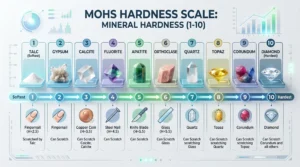
Diamond is the most recognized precious gemstone and is famous for its unmatched sparkle, durability, and prestige. Ranking 10 on the Mohs Hardness Scale, diamonds are the hardest natural material known to people. Their exceptional brilliance results from the way they reflect and refract light, making them the most popular choice for engagement rings and luxury jewelry. Diamond is also the official April birthstone. High-quality diamonds with excellent color, clarity, cut, and carat weight often command premium prices and are considered both luxury purchases and investment-grade gemstones.
Ruby – The Gemstone of Passion and Power
Ruby is one of the rarest and most valuable precious gemstones, celebrated for its vivid red color and exceptional rarity. Known as the “King of Colored Gemstones,” ruby has symbolized power, love, and prosperity for centuries. Ruby is also the traditional July birthstone. The finest rubies display a rich “pigeon’s blood” red hue and are highly sought after by collectors. Exceptional rubies can sometimes exceed diamond prices per carat due to their scarcity and strong market demand.
Sapphire – The Royal Blue Treasure
Sapphire is renowned for its deep blue color, although it naturally occurs in a variety of shades including pink, yellow, green, and white. As a member of the corundum family, sapphire ranks 9 on the Mohs Hardness Scale, making it one of the most durable gemstones available. Historically associated with royalty, wisdom, and loyalty, sapphires remain among the best gemstones for engagement rings and everyday jewelry due to their beauty and resilience. Sapphire is the official September birthstone.
Emerald – The Queen of Green Gemstones
Emerald is treasured for its rich green color and remarkable history. This precious gemstone belongs to the beryl family and owes its vibrant appearance to traces of chromium and vanadium. Unlike diamonds and sapphires, emeralds often contain natural inclusions that are considered part of their unique character. High-quality emeralds with vivid green color and strong transparency are among the most expensive gemstones in the world and remain favorites among collectors and luxury jewelry buyers. Emerald is also the May birthstone.
Precious vs. Semi Precious Gemstones
The distinction between precious and semi-precious gemstones originated centuries ago when certain gems were considered significantly rarer and more valuable than others. While Diamond, Ruby, Sapphire, and Emerald continue to be classified as precious stones, modern gemology recognizes that some semi-precious gemstones, such as Alexandrite and Paraiba Tourmaline, can be rarer and more expensive. Despite this evolution, the traditional classification remains widely used because it reflects the enduring prestige and global recognition of these four exceptional gemstones.
What Makes a Gemstone Valuable?
The value of a gemstone depends on several important factors that determine its rarity, beauty, and market demand. Understanding these characteristics helps buyers evaluate quality and make informed purchasing decisions.
Color
Color is often the most important factor affecting gemstone value. The finest gemstones display vivid, evenly distributed color with excellent saturation and tone. Whether it’s a deep blue sapphire, a vibrant green emerald, or a rich red ruby, exceptional color significantly increases desirability and price.
Clarity
Clarity refers to the visibility of internal inclusions and surface blemishes within a gemstone. Stones with fewer imperfections generally command higher prices because they allow more light to pass through, enhancing their beauty and brilliance.
Cut
A gemstone’s cut influences how effectively it reflects light and showcases its color. Expert cutting maximizes brilliance, sparkle, and overall appearance, making it one of the most important factors in determining a gemstone’s value.
Carat Weight
Carat weight measures the size and weight of a gemstone. Larger gemstones are significantly rarer than smaller stones, especially when they possess exceptional color and clarity, resulting in exponentially higher prices.
Rarity
The rarer a gemstone is, the greater its potential value. Limited mining locations, declining production, and exceptional quality characteristics all contribute to rarity and increased market demand.
Durability
Durability reflects a gemstone’s ability to withstand everyday wear. Hard gemstones such as Diamond, Ruby, and Sapphire are especially valuable for jewelry because they resist scratches and maintain their beauty over time.
How to Identify Real Precious Gemstones
Identifying authentic precious gemstones requires a combination of visual inspection, gemological testing, and professional certification. Genuine gemstones often contain natural inclusions, unique optical properties, and specific physical characteristics that distinguish them from synthetic or imitation stones. Purchasing certified gemstones from trusted dealers and requesting laboratory reports can help ensure authenticity and protect your investment.
Best Precious Gemstones for Jewelry
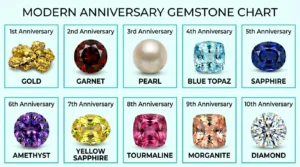
The best precious gemstones for jewelry depend on durability, style preferences, and budget. Diamonds remain the most popular choice for engagement rings due to their exceptional hardness and brilliance and diamond is also the traditional 10th wedding anniversary gemstone. Rubies and sapphires offer outstanding durability and vibrant color options; ruby marks the 40th anniversary and sapphire the 5th and 45th. Emeralds provide unmatched elegance and are the classic 20th anniversary stone.
How to Buy Precious Gemstones
When buying precious gemstones, focus on quality, authenticity, certification, and value. Compare gemstones based on color, clarity, cut, carat weight, and origin. Always purchase from reputable gemstone dealers and request independent certification whenever possible. Understanding gemstone grading standards helps buyers make confident decisions and avoid overpaying for lower quality stones.
How to Care for Precious Gemstones
Proper gemstone care helps preserve beauty and value for generations. Clean precious gemstones regularly using mild soap and warm water, store them separately to prevent scratching, and avoid exposure to harsh chemicals or extreme temperatures. Professional inspections and maintenance can further protect valuable gemstone jewelry from damage.
Precious Gemstone Prices and Value Factors
Precious gemstone prices vary dramatically based on quality, rarity, origin, treatment status, and market demand. Investment grade diamonds, rubies, sapphires, and emeralds can range from a few hundred dollars to millions per carat. Understanding these value factors enables buyers and collectors to make informed purchasing decisions while maximizing long-term value.
Frequently Asked Questions About Precious Gemstones
The four traditional precious gemstones are Diamond, Ruby, Sapphire, and Emerald. These gems are valued for their rarity, beauty, durability, and historical significance.
High-quality Rubies are often the most valuable precious gemstones per carat, although rare Diamonds, Emeralds, and Sapphires can also reach exceptional prices.
A gemstone is considered precious because of its rarity, durability, beauty, and strong demand in the jewelry market. Historically, only four gemstones meet these criteria.
Diamond is the best gemstone for daily wear because it ranks 10 on the Mohs Hardness Scale and resists scratches better than any other natural gemstone.
The most reliable way is through a professional gemological certificate. Natural gemstones often contain unique inclusions and characteristics that can be verified by experts.
Among the traditional precious gemstones, fine quality Ruby is often considered the rarest, especially stones displaying a vivid “Pigeon’s Blood” red color.
Lab grown Diamonds have the same physical and chemical properties as natural Diamonds, but they are generally less valuable because they are not naturally rare.
Vivid red Rubies, intense blue Kashmir Sapphires, and highly saturated green Emeralds are among the most expensive colored gemstones in the world.
Yes, rare and untreated gemstones from famous origins often appreciate in value due to limited supply and increasing demand.
Use Gem Identify Tool Free → https://gemidentity.com/#tool
Final Thoughts
Precious gemstones have captivated people for centuries with their exceptional beauty, rarity, and enduring value. From the unmatched brilliance of Diamond to the rich red hues of Ruby, the royal blue of Sapphire, and the vibrant green of Emerald, these remarkable gemstones remain among the most sought-after treasures in the world. Their unique combination of rarity, durability, and timeless appeal makes them a popular choice for fine jewelry, collecting, and long-term investment.
Whether you’re purchasing your first gemstone, choosing a meaningful piece of jewelry, or expanding a collection, understanding the factors that influence gemstone quality and value is essential. By focusing on color, clarity, cut, carat weight, and authenticity, buyers can make confident decisions and appreciate the true worth of these extraordinary stones. With proper care and informed purchasing, precious gemstones can be enjoyed for generations, making them both beautiful personal treasures and lasting symbols of luxury and prestige.